Slow down
The Sloth
The deep side of the cup. Chocolate, caramel and the comfort of a traditional Costa Rican coffee. For the long weekend pour-over and the ritual you never rush.
Tasting notes: chocolate, caramel, almonds
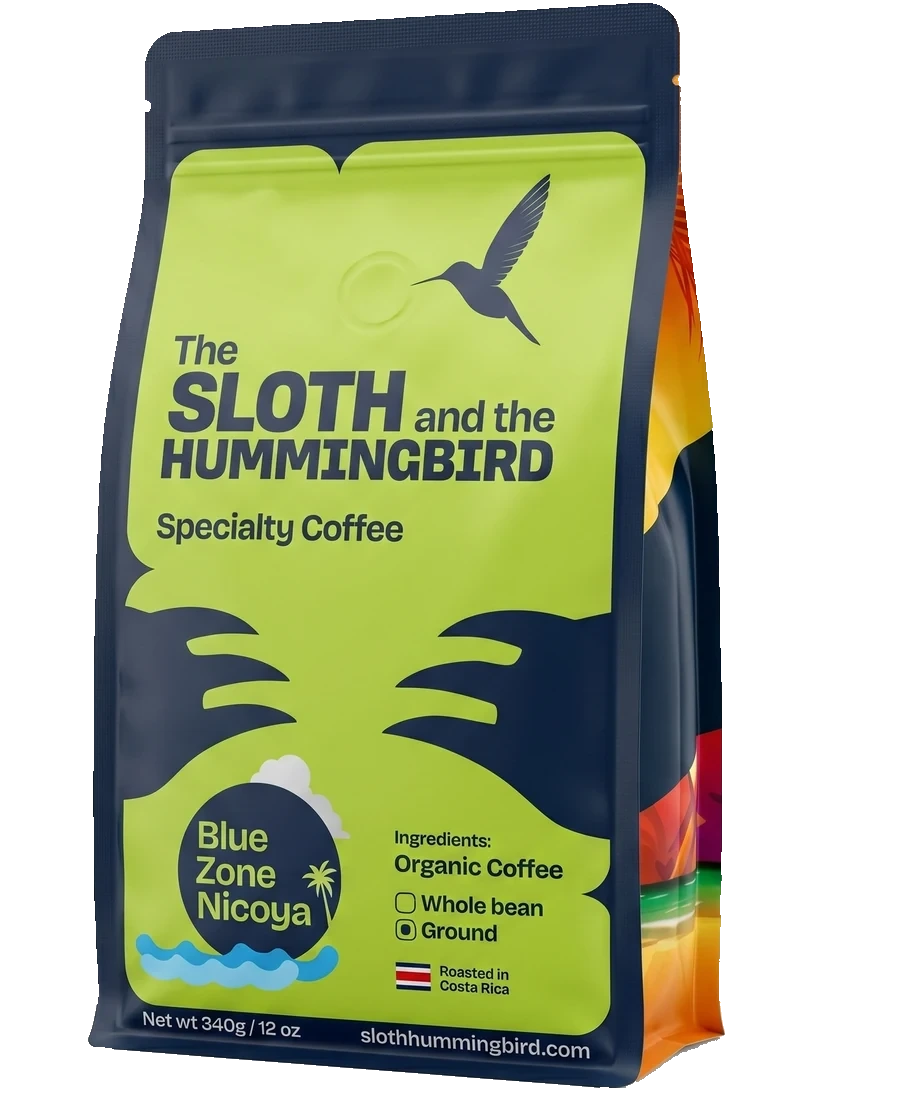
Our coffee · Origin No. 01
Nicoya Peninsula Single Origin
One coffee that holds both speeds: chocolate, caramel and almonds in the body, with a bright finish of sweet lime. Honey processed for extra sweetness, and everything that makes Costa Rican coffee some of the most respected in the world, in a 12 oz bag.
Cup score assessed by a licensed Q Grader on our team.
100% Arabica, Costa Rica 95 variety.
Roasted at origin in Costa Rica.
Nicoya Peninsula, grown at 1,200 masl.
Dried with its own fruit for extra sweetness.
Pick your grind for any brew method.
Brew it at your pace
For every brew method
Pour-over, French press, or a traditional Costa Rican chorreador. Grind it fresh, let it bloom, and drink it while it's still teaching you something.
Brings out: chocolate, caramel, body
Drip machine, AeroPress, or espresso on the way out the door. Fast to make, bright in the cup, and good enough to notice even when you're late.
Brings out: sweet lime, brightness
A Nicoya fable, as we tell it
Scroll slowly. Or quickly. Your call.
Chapter 1
High in the hills of Nicoya, a sloth and a hummingbird shared the same coffee tree.
Chapter 2
The sloth moved through the branches so slowly that moss grew on its coat. The hummingbird never seemed to land at all, drinking from every blossom in the valley.
Chapter 3
For years, each one was sure the other was living all wrong.
Chapter 4
Then came the harvest. The sloth bit into a ripe red cherry and found chocolate, caramel and almonds. The hummingbird tasted the very same cherry and found sweet lime.
Chapter 5
Both were right. Same tree, same cherry, a different pace. In Nicoya, where people live longer than almost anywhere on Earth, that might be the whole secret: knowing when to use each speed.
Taste both speedsWhy Nicoya
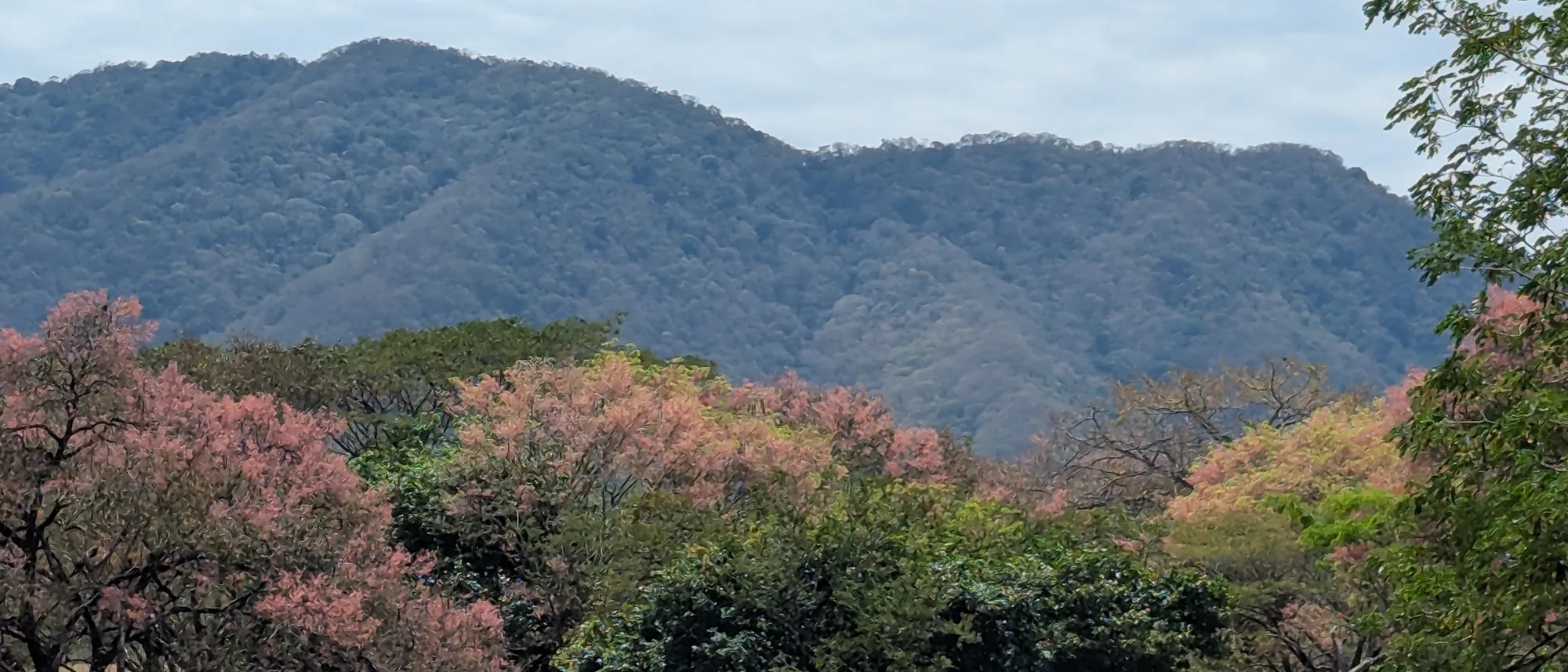
The Nicoya Peninsula is one of the world's five Blue Zones, places where an unusual number of people live long, active lives. Slow mornings, strong community, and a pace that knows when to rush and when to stop.
We won't tell you a cup of coffee will add years to your life. We just think coffee should come from a place that knows how to live them well.
Where our coffee comes from, and where our next story is headed.
Our coffee is grown and processed by a cooperative of producers in the Nicoya Peninsula. Buying their coffee keeps value in the region that grows it.
Rich soil and a clear wet and dry season let the cherries ripen slowly and evenly, which is where the sweetness comes from.
We roast at origin, so the coffee is finished by people who know it from the farm, not from a shipping manifest.
Nicoya Peninsula Single Origin, 12 oz, whole bean or ground.
Buy on Amazon — $19.99Harvest 2026 · 14 coffees
See every coffee we have this season, from Geisha microlots to everyday espresso. Green by the 46 kg quintal or roasted, shipped worldwide.
The origin series
Costa Rica grows coffee from Pacific peninsulas to volcanic highlands, and every region tastes like the place it comes from. Nicoya is our first story. Each new origin will arrive with its own landscape, its own people and its own pace.
The Blue Zone. Chocolate, caramel and almonds with a sweet-lime finish, grown by a local cooperative.
Buy on Amazon Discover NicoyaCoffee grown on the slopes around Costa Rica’s capital, between volcanoes. Our next story.
We keep visiting farms across Costa Rica. The next stories will come from what we find there.